Best Winter Drainage Systems Checklist for Dyer County, TN
Winter Drainage Problems Dyer County Homeowners Face
You work hard for your home. Winter comes, the rain keeps falling, and the ground freezes at night. Your yard turns soft, your driveway edges crumble, and you start to smell that damp, musty odor in the basement again. Maybe you feel a little worried when you see water pooling near the foundation. You are not imagining it. Winter can make small drainage issues bigger.
In Dyer County, we see heavy winter rains, clay soil that holds water, and freeze–thaw cycles that move the ground. That mix puts pressure on gutters, drains, and foundations. The good news is you can get ahead of it with a simple plan.

Quick Winter Drainage Checklist for Busy Homeowners
Use this fast list when time is tight.
Clear gutters and downspouts. Check for leaks at seams.
Add downspout extensions 6 to 10 feet from the house.
Rake leaves off swales, drains, and ditch lines.
Flush French drain cleanouts if you have them.
Test your sump pump with a bucket of water.
Insulate or heat-tape exposed discharge lines.
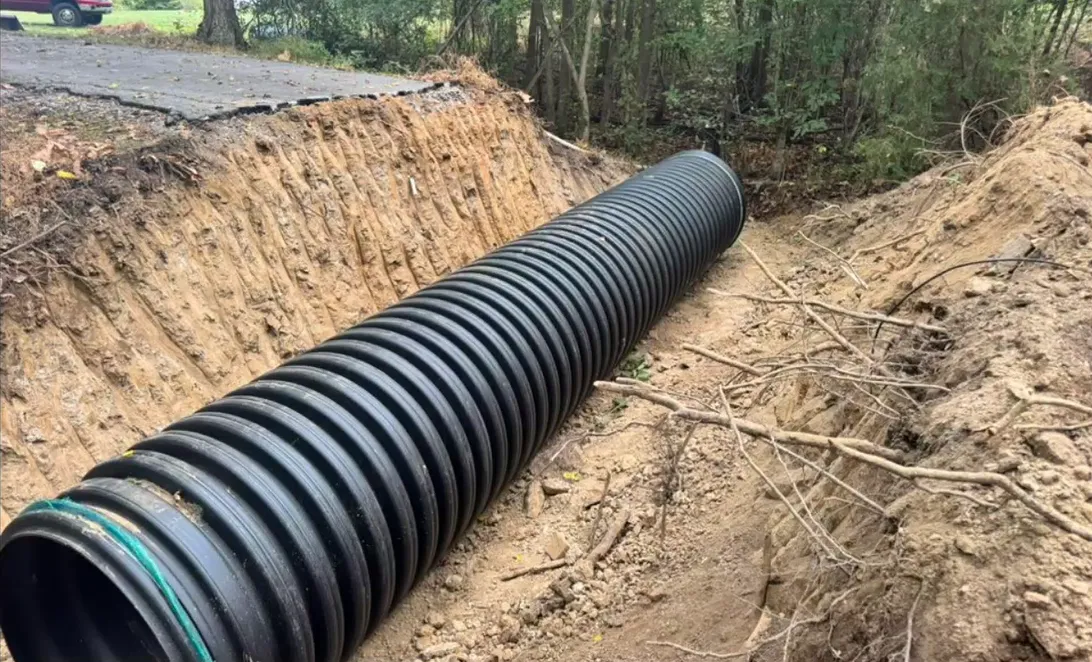
Check driveway culverts for blockages.
Walk your foundation after a rain. Look for damp spots and cracks.
Note any standing water that lasts longer than 24 to 48 hours.
Call us if you see pooling near the house, slow drains, or pump alarms.
How Dyer County Winter Weather and Clay Soil Affect Yard Drainage
Clay soil is sticky. It holds water like a sponge and drains slowly. In winter, the surface can freeze at night, then thaw during the day. Water sits on top of the frozen layer instead of soaking in. That is why you see slick, muddy spots and ice patches. Over time, the ground shifts. Slopes change. That can push water toward your home.
This is not about a bad yard. It is about how water behaves. Our job is to help water move away from your house in a safe, controlled path.
Pre-Winter Drainage Inspection Guide for Your Property
Spend 30 minutes outside after a decent rain and again the next day.
Walk the perimeter of your home. Look for dark, wet areas on the foundation. Check for hairline cracks.
Check grading. The soil next to the house should slope away at least 6 inches in the first 10 feet.
Scan the yard. Mark any spots where water stands longer than 24 to 48 hours.
Follow the flow. Trace where roof water goes. If it drops by the foundation, that is a red flag.
Find your outlets. Make sure French drains, sump discharge lines, and culverts are open and not buried.
Take a few photos and notes. If you call us, these help us get you answers fast.
Gutters, Downspouts, and Extensions: Winter Readiness Steps
Gutters do the heavy lifting. When they fail, everything else works harder.
Clean gutters. Leaves and shingle grit cause overflows that dump water right at your foundation.
Fix loose spikes and leaks. Water sneaking behind gutters rots fascia and soaks siding.
Downspout check. Each downspout should have a clear elbow and an extension that carries water 6 to 10 feet away.
Splash blocks are not enough. They look helpful but rarely move water far enough in clay soil.
Ice issues. If you see icicles or iced gutters, you may have clogs or poor attic ventilation. Clear the clog and keep the path open.
Grading, Swales, and Slope Fixes Before a Freeze
Good grading is like gravity on your side.
Re-establish the slope. Soil settles. Add topsoil and compact it so water runs away from the house.
Shape shallow swales. These are gentle dips that guide water across your yard to a safe outlet.
Edge protection. Where swales meet driveways or walkways, armor the edge with stone to stop erosion.
Timing tip. Light grading and touch-ups can happen in winter if the ground is workable. Bigger reshaping is often best done during a dry window.
French Drains Winter Prep and Maintenance Tips
French drains can be your best friend if they are clear and built right.
Locate cleanouts. Most quality systems have vertical cleanouts. Remove the cap and flush with a garden hose if temperatures allow.
Leaf control. Keep inlets and gravel trenches free of debris. A simple leaf screen can help.
Outlets matter. The drain only works if the outlet is open and above the water line. Check outlets at ditches, culverts, or daylights.
Slope check. If the outlet sits flat or below grade, it may hold water and freeze. We can re-set that outlet to restore flow.
Surface Drains and Catch Basins: Cleanout and Ice Prevention
Surface drains pull in water fast, but they clog fast too.
Pop the grates. Remove leaves, pine needles, and sediment from the basket or sump below.
Flush lines. If you have access points, run water through to make sure lines are clear.
Grit control. Add a small layer of pea gravel around grates to filter leaves and slow clogging.
Ice watch. If grates freeze shut, pour warm (not boiling) water to break thin ice safely.
Sump Pumps and Discharge Lines: Freeze Protection Checklist
Your sump system is the last line of defense.
Bucket test. Pour water into the pit until the float rises. The pump should turn on and discharge quickly.
Check valves. A stuck or backward check valve sends water right back to the pit.
Power backup. A battery backup or generator keeps pumps running during winter storms.
Discharge line care. Insulate exposed pipe. Add heat tape if needed. Make sure the outlet is not buried in snow or weeds.
No uphill runs. Long, flat runs or uphill climbs can hold water that freezes. We can reroute for proper fall.
Driveways, Culverts, and Roadside Ditches: Keep Water Moving
If the culvert is blocked, water will find a way, and it may choose your yard.
Culvert sweep. Clear sticks, leaves, and gravel at both ends. Check after storms.
Sediment control. If the ditch fills with silt, we can regrade the bottom and armor the sides with stone where needed.
Driveway drains. Consider a trench drain across the driveway if runoff crosses the drive and floods the garage or carport.
Foundation and Basement Waterproofing Checks for Winter
Water near the foundation is the top risk.
Look for damp spots and white powder. That powder is efflorescence, a salt left behind when water evaporates.
Seal small cracks. Hairline cracks can be sealed from inside, but moving or wide cracks need a pro.
Interior drains and vapor barriers. In some homes, an interior perimeter drain with a sump is the safest fix for winter water pressure.
Combine systems. The best results come from pairing outside drainage with inside protection and healthy grading.
Signs Your Drainage System Is Failing in Cold Weather
Do not ignore these winter clues.
Standing water along the foundation after rain
Gutter waterfalls or soil washouts under eaves
Sump pump short-cycling or running nonstop
Icy patches where discharge lines leak or back up
Basement smells musty or feels damp
Soil pulling away from the foundation as it dries after long wet periods
Any one of these is a reason to inspect. Two or more mean it is time to fix things now.
Emergency Fixes That Work When the Ground Is Frozen
When the ground is frozen, we can still take smart steps.
Temporary extensions. Add longer downspout extensions to push water away right now.
Sandbags and straw wattles. Create quick barriers to steer water away from entries and crawl spaces.
Surface channels. Cut shallow channels in soft areas to guide water to ditches or safe spots.
Heat tape on key lines. Keep problem discharge sections from freezing.
Pump relocation. Move an outlet to a sunnier, lower spot if the current one ices up.
These are short-term solutions. We plan permanent changes when the soil is ready.
What Winter Drainage Repairs Cost in West Tennessee
Every property is different, but this will help you plan.
Gutter cleaning and tune-ups: Often a few hundred dollars, depending on size and access
Downspout extensions and minor regrading: Hundreds to low thousands
French drain maintenance and outlet resets: Hundreds to low thousands, based on length and access
New French drain or swale installation: Low to mid thousands for small areas, higher for long runs or deep systems
Sump pump tune-up or replacement: Hundreds to low thousands, backups add more
Culvert cleanout and ditch shaping: Hundreds to low thousands, depending on equipment needs
Interior waterproofing with sump system: Varies widely, often mid to high thousands for full perimeters
We help you phase work so the biggest risks get handled first and your budget stays in control.
DIY vs Professional Winter Drainage Work Near Dyer County
DIY fits simple tasks like gutter cleaning, adding extensions, clearing grates, and basic grading touch-ups.
Call a pro for systems under pressure, like sump pumps, French drains that hold water, foundation leaks, culvert replacements, and regrading near the house. Mistakes near the foundation can cost more than the fix.
We are happy to coach you on what you can do yourself and where we step in.
When to Call Innovative Ground Solutions in Rutherford, TN
Reach out if you see:
Water pooling near the foundation or garage
Sump pumps running constantly or failing tests
Repeated ice build-up around outlets or drains
Standing water that lasts days after rain
New cracks, damp walls, or musty odors inside
Erosion along driveways, swales, or ditches
We can inspect, map the flow of water, and give you a clear plan with options. No fluff. Just practical steps that fit your property and budget.
Service Areas We Cover: Gibson, Weakley, Dyer, Crockett, and Obion Counties
We are local to Rutherford and work across West Tennessee. Whether you live in town, on a farm, or on a wooded lot, we design drainage that matches your soil, slope, and goals.
Winter Drainage FAQ for Dyer County Homeowners
Do I really need to deal with drainage in winter?
Yes. Winter rain and freeze–thaw cycles make small problems worse. A few simple steps now can prevent bigger repairs later.
Can you install new drains in winter?
Often yes, if soil and weather allow safe excavation. If not, we set temporary measures and schedule the permanent work for the next dry window.
How far should I carry roof water away?
Aim for 6 to 10 feet from the foundation. In clay, farther is often better.
My sump pump runs all the time. Is that normal?
Not usually. It could be a high water table, a stuck check valve, or a discharge issue. We can test and fix what is causing the cycle.
How fast should standing water go away?
In most yards, water should be gone within a day or two. If it lingers, the soil, slope, or outlet needs help.
A Straightforward Next Step
If winter water is stressing you out, you are not alone. We can walk your property, point out the top risks, and set a plan that fits your budget. No scare tactics. Just a clear path to a dry, healthy home.
Innovative Ground Solutions
Rutherford, Tennessee
Serving Gibson, Weakley, Dyer, Crockett, and Obion Counties

